Editing podcasts into vertical clips takes hours. We built an engine that automates it.
Most automated tools clip by basic keywords, missing humor, timing, and narrative hooks. We combine Claude Opus 5.5 for deep transcript reasoning, MediaPipe BlazeFace for active speaker tracking, and headless Intel VAAPI for continuous background rendering.
AutoClipper AI: Automated Vertical Video Studio
Solves the speaker tracking problem. Ingests raw video, transcribes word-by-word with Faster-Whisper, uses Claude Opus 5.5 to extract the highest-retention hooks, dynamically pans to the speaker, and queues uploads.
1. Claude Opus 5.5 Hook Extraction
Evaluates conversational tension, humor, and punchlines in 45+ minute transcripts to select exact start and end timestamps.
2. MediaPipe Active Speaker Tracking
Tracks coordinates continuously. When speakers move, the 9:16 frame smoothly pans to keep them centered without harsh cropping.
3. Word-Level Faster-Whisper Alignment
Generates millisecond-accurate ASS subtitles with dynamic color highlighting, synchronized to speech pace with zero chopped words.
4. Headless Intel VAAPI Rendering
Renders on direct DRM kernel nodes (/dev/dri/renderD128). Operates while PC screens are locked, drawing minimal power.
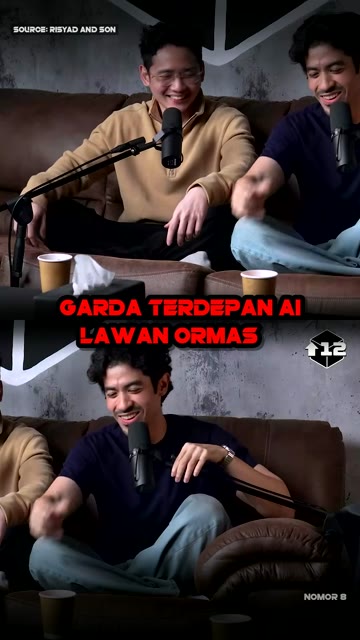
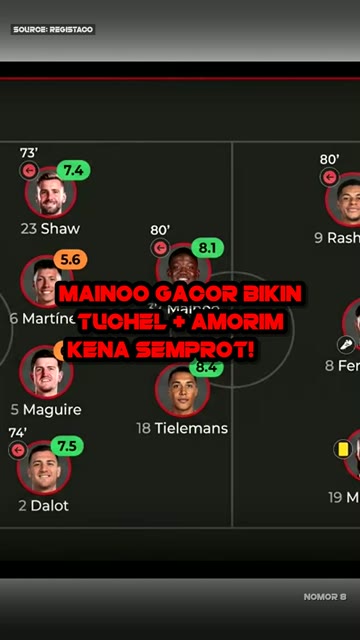
Real Output Samples (Generated Titles & Hooks)


Stremo: Vertical OBS Studio for Android
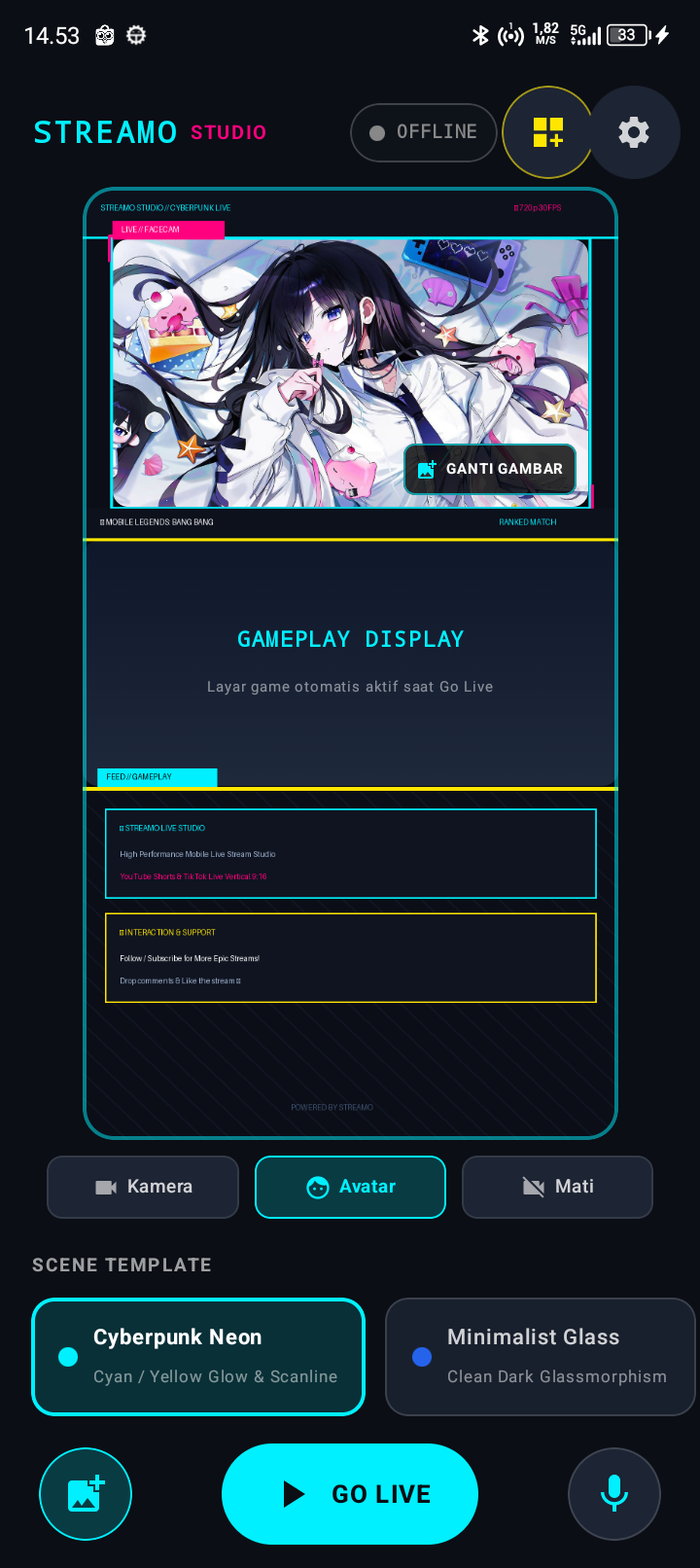
Stream mobile games directly to TikTok Live and YouTube Shorts from your smartphone. Directly uses your phone's CameraX front camera and screen capture, replacing dedicated capture hardware.
Dual-Feed Canvas Compositor (9:16 Canvas)
CameraX captures your front facecam at the top, while Android MediaProjection captures 60 FPS mobile gameplay at the bottom.
60 FPS Animated HTML5/CSS3 Overlays
Renders transparent animated frames natively in a WebView layer (Cyberpunk Neon, Minimalist Glass, Retro 8-bit). Lightweight and preserves smartphone thermals.
In-Game Floating Control HUD
Runs inside an Android Foreground Service. A draggable bubble stays over your game with timer, mic mute, and stop controls.
How We Utilize Anthropic Models
We use models according to their cognitive depth and latency parameters:
Narrative Reasoning & Hook Scoring
Ingests full 90-minute transcripts (40k to 80k tokens). Analyzes conversational tension to output structured storyboard.json with semantic intent tags (Exact, Contextual, Abstract).
Live Stream Chat Intelligence
Sub-second latency model deployed for Stremo live broadcasts. Parses TikTok and YouTube chat sentiment and triggers automatic highlight markers on exciting gameplay events.
Cluster & GPU Node Scheduling
Assists in routing rendering batches across Linux worker nodes, verifying headless GPU DRM driver states, and handling recovery on failed pipeline tasks.
Compute & Token Usage Calculator
Estimate your monthly processing volume and projected token burn.